So, what’s new this season?
Season three doubles down on the paranoia and turns the screws tighter. If you liked the first two runs for their brainy cat-and-mouse energy, this one piles on the spectacle: bigger gambits, bolder deceptions and a tempo that never lets you relax.
Technology as the villain (and the plot device)
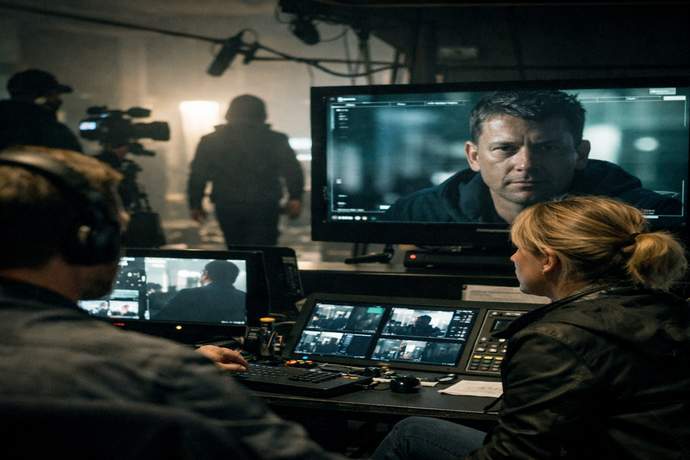
The show treats modern tech like a mischievous god. Surveillance, edits and manufactured footage aren’t just background flavor — they’re the engine. The result feels almost surreal at times, but terrifyingly believable: when footage can be dressed up to tell any story, what counts as evidence?
Characters stuck in a fog of doubt
Holliday Grainger’s presence is the moral anchor amid the noise. Everyone else drifts between hero and opportunist depending on who’s winning the narrative that day. The series makes you root for someone to do the right thing, even while it delights in showing how messy and selfish people usually are.
Meet ZP — scapegoat, symbol, or both?
The ambiguous figure at the center of many accusations becomes a mirror: is he a villain, an innocent, or simply the perfect target for a story people want to believe? The show doesn’t hand you answers; it hands you the tools to overthink at midnight.
Twists, but make them deliciously reckless
Expect a string of plot turns that aim to shock and then grin at you for falling for them. Some moments flirt with absurdity, yet they mostly stay grounded by the emotional fallout — the messy, human consequences of being publicly unmasked or defended.
Why it keeps you bingeing
There’s a weirdly satisfying hit to watching truth unravel on screen. This season ramps up that hit: it’s addictive, slightly uncomfortable, and clever enough to make you justify another episode even when your brain is tired.
What the season is really about
At heart, this is less about a tech dystopia and more about how modern belief works. It asks whether we choose facts or narratives, and how easily the two get swapped. The show is most effective when it holds that mirror up to the audience, making you question what you’d defend and why.
The final pitch
If you loved the earlier seasons, this third installment will feel like the same drug at a stronger dose — bigger risks, flashier manipulations, and that lingering aftertaste of wondering who got played. It’s clever, a little shameless, and surprisingly fun — even as it makes you squint at your own feed.