Studio heavyweight, quietly influential
Kenneth Hyman, a behind-the-scenes mover at Warner Bros.-Seven Arts and producer on landmark films like The Hill and The Dirty Dozen, has died at 97 in Oxfordshire, England. He wasn’t always the headline name, but his fingerprints are all over some of the most talked-about movies of the 1960s and ’70s.
The moment that changed Hollywood
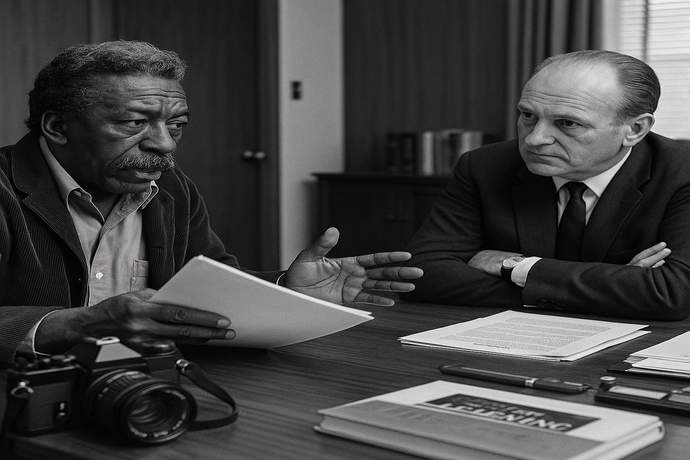
Maybe Hyman’s most lasting move was a quick meeting that turned into a historic green light. Photographer-turned-filmmaker Gordon Parks walked into Hyman’s office to pitch his semi-autobiographical story. Hyman signed him up to direct The Learning Tree — making Parks the first Black director to helm a film for a major American studio. It was a short conversation with long ripple effects.
Why that mattered
Beyond being a milestone on paper, Hyman’s decision opened doors. Parks went on to make more films, including Shaft, and The Learning Tree became one of the early titles preserved by the Library of Congress for its cultural importance. Hyman’s pick was more than casting a lottery-winning director — it nudged the industry toward broader representation.
Producer and exec credits worth bragging about
Hyman cut his teeth at Seven Arts (his dad helped start the company) and ended up running worldwide production after Seven Arts merged with Warner Bros. He produced or oversaw a string of memorable titles: gritty military drama The Hill, the rowdy ensemble The Dirty Dozen, and studio-era standouts like What Ever Happened to Baby Jane? and Camelot. Under his watch also came bold, controversial pieces such as Performance and Sam Peckinpah’s The Wild Bunch.
Talent scout, negotiator, and occasional rule-bender
He had a knack for pairing daring filmmakers with tough projects and pushing through casting or crew choices that weren’t always the safe studio pick. For The Learning Tree, Parks later said Hyman fought to bring Black crew members on board despite union roadblocks — another example of him using his position to get things done.
A long career, a layered legacy
After Warner Bros.-Seven Arts, Hyman ran European production for MGM and Universal, set up Inter-Hemisphere Productions in London, and continued producing into the ’70s. His résumé reads like a tour of bold studio gambles and successful collaborations across continents.
Life off the lot
Born in New York City in 1928 and raised in Connecticut, he served in the Marines before moving into film. He’s survived by his wife, Caroline, four children and grandchildren; he was predeceased by a son, Greg. A celebration of life is being arranged.
The bottom line
Kenneth Hyman wasn’t a starmaker in the celebrity sense, but he used his clout to tilt the industry in interesting directions — sometimes with a bold yes, sometimes by pushing through tough production decisions. That mix of studio savvy and occasional rule-bending left a legacy worth remembering.