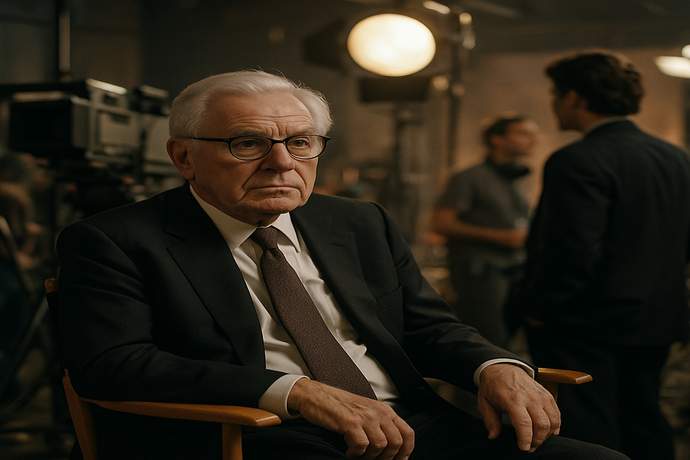
Hollywood lost a movie-money maverick
James G. Robinson, the businessman-turned-producer who co-founded Morgan Creek Productions and helped bring films like Major League, Dead Ringers, Robin Hood: Prince of Thieves, True Romance and Ace Ventura to theaters, has died at 90. His family confirmed he passed away on Feb. 15.
From grime to green: how a car-cleaning side hustle turned into a fortune
Robinson didn’t start life aiming for movie posters. He built his early wealth in the auto import world after buying a small car-cleaning business to solve a very personal grime problem. That sideline grew into a thriving service operation and eventually into Subaru Mid-America, which he expanded across the Midwest.
Bridge loans, bets and a slow slide into showbiz
He drifted into Hollywood by financing projects that needed short-term cash. Instead of arriving in Tinseltown with a dream and a headshot, Robinson showed up with a ledger and a willingness to bankroll others’ projects — then slowly began picking the films he wanted to back outright.
How Morgan Creek got its groove
In 1988 Robinson and producer Joe Roth launched Morgan Creek, putting a huge chunk of Robinson’s own money behind the company. Their model was simple: finance the pictures fully, handle marketing, presell foreign rights, and let other distributors handle U.S. theatrical releases. The strategy paid off quickly.
The company’s first big score was Young Guns — a western with a fresh-faced cast — that turned a modest budget into a tidy box-office payoff. From there Morgan Creek rolled out crowd-pleasers and cult favorites that ran the gamut from sports comedies to edgy thrillers.
Big hits, bold choices
Robinson’s filmography reads like a late-80s/90s highlight reel: Major League made baseball comedies cool again; Dead Ringers gave David Cronenberg an arthouse victory; Robin Hood was a billion-dollar popcorn epic in spirit; True Romance carried Quentin Tarantino’s sharp-voice swagger into mainstream cinema; and Ace Ventura helped turn Jim Carrey into a box-office megastar.
He also shepherded prestige pieces — Enemies, A Love Story scored Oscar nominations and The Last of the Mohicans picked up a win for sound — and wasn’t shy about spawning sequels or reviving classic franchises when the math added up.
The method behind the maverick
Robinson liked risk, but it wasn’t blind. He looked for solid scripts first, then considered director, cast and budget. He liked to consult widely and make decisions based on story and commercial potential rather than a single formula. That mix of instinct and calculation helped Morgan Creek punch above its weight.
Notable detours and later moves
Over the years Robinson produced a mix of hits and misses, from Pacific Heights to Soldier to The Good Shepherd. He also stirred headlines — he didn’t hide his frustrations when production challenges arose — and pushed Morgan Creek into TV and franchise revivals, including work around The Exorcist brand.
In 2014 the company sold international distribution rights and copyrights to much of its library, a reminder that Robinson’s legacy is as much about business acumen as it is about moviemaking taste.
Baltimore roots and family first
Born in Baltimore in 1935, Robinson kept his ties to Maryland throughout his life. He raised his family near the city and often ran parts of Morgan Creek from his hometown offices rather than Los Angeles. He loved Baltimore and said he would film there if budgets allowed.
He is survived by his wife of 61 years, Barbara; six children (including a son who followed him into producing) and a bevy of grandchildren.
Why his story matters
Robinson was proof that you don’t need to be born into Hollywood to shape it. He brought a dealmaker’s brain and a gambler’s gut to the movie business, backing wild comedies and serious dramas with equal conviction. For better or worse, a lot of what we remember from late-20th-century pop cinema bore his fingerprints — and for many movie fans, that’s the best kind of legacy.