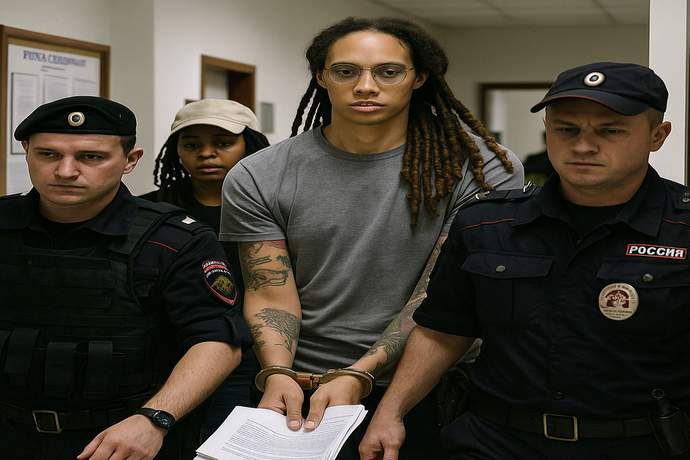
What the film is
Alexandria Stapleton’s documentary drops you into Brittney Griner’s nightmare with calm, no-frills storytelling. It walks through the arrest in Moscow, the charges, and the months she spent fighting to get home — all told mainly through Griner’s own voice and the tireless efforts of her family.
Griner is the real MVP
The doc’s biggest win is that it simply lets Griner be herself: funny, thoughtful, and disarmingly honest. Watching her explain how life was upended is oddly comforting — not because it softens what happened, but because she narrates it with that mix of candor and dry humor that makes you root for her even harder.
What the film shows well
Stapleton does a tidy job laying out the timeline and filling in the backstory — how Griner found basketball, built a career, and navigated personal milestones like coming out and family relationships. The movie gives you enough context so viewers who don’t know her story can follow along without missing beats.
What it doesn’t do
If you’re hoping for a sweeping political or investigative epic, this isn’t it. The doc sticks close to the personal narrative and only skims broader themes: the geopolitics of detention, prisoner-swaps, and how society reacts when a queer Black woman becomes a national symbol. Those bigger questions get a polite nod, but not the deep dive they deserve.
Scenes that stick
There are a few moments that linger — intimate interviews, family pleas, and a blink-and-you-miss-it peek inside the penal setting that underscore how surreal and grim the whole ordeal was. The film isn’t sensationalist; it doesn’t need to be. The quiet bits do the heavy lifting.
Why you should watch it (and what to expect)
Watch this if you want a clear, human portrait of Griner and a front-row seat to her resilience. Don’t watch this expecting more investigative razzle-dazzle or a geopolitical explainer — the director opted for a closer, more personal lens. The result is emotionally engaging but somewhat narrow.
Final take
Stapleton’s film is an effective portrait of a person rather than a full-blown documentary of an era. It leaves you grateful to spend time with Griner but also a little hungry for a follow-up that tackles the wider political machinations and cultural fallout. For now, it’s a warm, tidy introduction to a larger story that’s not done being told.