What this movie is (and isn’t)
Think a sumptuous villa, a pile of family secrets, and one director gleefully poking the wealthy until something snaps. Karim Aïnouz’s Rosebush Pruning is a darkly funny takedown of privilege—part creepy family drama, part savage satire—set almost entirely under one roof.
The not-so-charming clan
The family at the center is a delicious trainwreck: a stern, unnamed patriarch who exerts quiet cruelty; siblings who are dangerously off-kilter; and an eldest brother whose plan to move out is the match that lights the fuse. Add a nosy truth-seeker who starts digging into their mom’s mysterious death, and you’ve got chaos on the horizon.
Tonally all over the place—in a good way
The film leans into absurdity and black humor to keep things watchable while still being sharp. It’s extreme, but deliberately so—Aïnouz uses laughs and awkward, eyebrow-raising moments to make heavy ideas land without turning the movie into a sermon.
Where the idea came from
Born out of pandemic-era thinking, the project grew from a desire to do a compact, housebound ensemble piece and to interrogate masculinity and inherited power. The director mixed inspirations from radical 60s cinema with contemporary outrage to craft something that feels both old-school risky and modernly furious.
Why the pruning metaphor matters
The movie keeps returning to one blunt image: families as overgrown plants that occasionally need severe trimming. That pruning is both literal and symbolic—Aïnouz asks whether cycles of abuse and entitlement can ever be cut away, and if drastic measures might be the only cure.
A killer cast playing fearless roles
To pull off this tone, Aïnouz assembled a bold ensemble—actors known for taking chances and bringing messy humanity to difficult parts. The cast spent serious time living and rehearsing together on location, which gives the film a lived-in, theatrical intimacy.
Filming and style
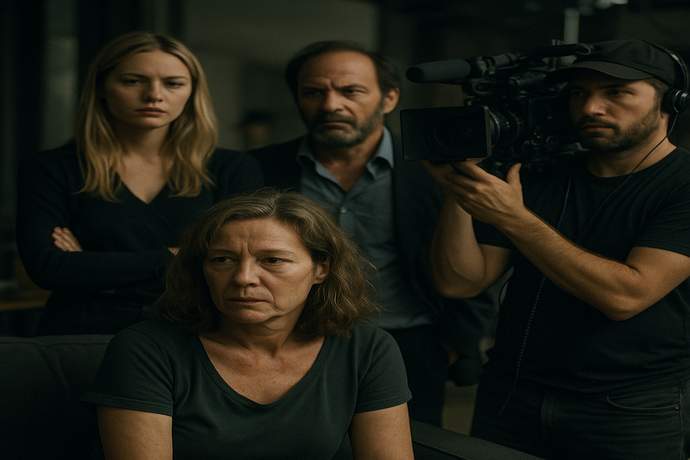
Shot in Spain, the production treated the house almost like another character. The director rehearsed in costume and encouraged improvised moments, so even precisely written scenes feel spontaneous and alive on screen.
What it’s riffing on—and why it matters
This feels like part of a wider wave of stories skewering extreme wealth, but Aïnouz wants more than mockery. He’s after rupture: to expose how normal toxic power can seem, and then suggest ways the cycle might be broken—sometimes with tragic and sometimes with oddly hopeful results.
Bottom line
Rosebush Pruning is loud, weird, and deliberately uncomfortable in the best possible way. It’s a comic-cum-tragic experiment that dares to be messy while asking the audience to enjoy the spectacle of the house being unmoored—figuratively, and maybe a little bit literally.