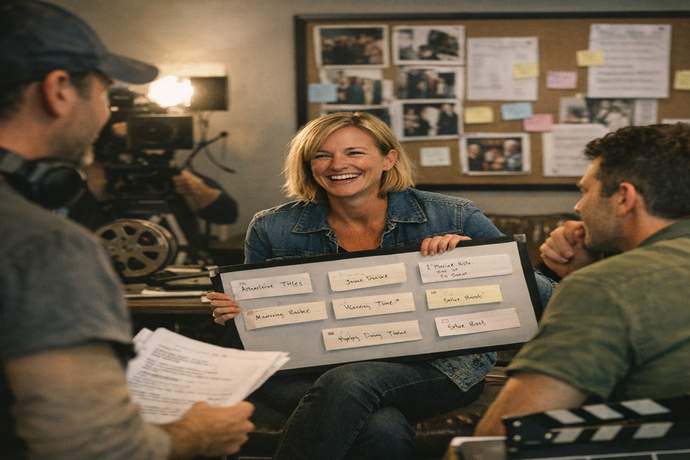
When a name can rewrite movie history
You think a title is just a label? Think again. A handful of classic films nearly arrived in theaters under names that would’ve made them weirdly forgettable—or downright confusing. Here are five famous examples where a few words could’ve changed everything.
Alien — the scrappy “Star Beast” idea
Before Ridley Scott’s creeping nightmare got the spare, mysterious name we all know, it was being drafted under the far less ominous working title “Star Beast.” The writer behind it was aiming for something literal, but eventually went with one tiny, terrifying word: Alien. The minimalist choice hid everything and let the movie’s mood do the heavy lifting. Imagine the difference if it had been marketed as cosmic creature feature instead of a clinical, cold whisper of dread.
Back to the Future — almost called Pluto (yes, like the planet)
The time-travel romp we now instantly identify with DeLoreans and lightning bolts nearly got boiled down to a single, very odd word: Pluto. That pick came from a throwaway line in the script, and a studio exec liked the brevity. Thankfully, the filmmakers dug in and kept the original, more descriptive title—one that actually hints at where the story is headed instead of making fans Google whether it’s about a dog, a planet, or a celestial body.
Toy Story — from a darker draft to a friendlier name
Pixar’s first feature went through a lot of tonal mood swings during development. Early versions were rougher, and the main toy we’d come to root for wasn’t always the charmer he is now. At one point, the movie might’ve been named after its signature tune—”You’ve Got a Friend in Me”—which sounds cozy, but would’ve suggested a very different vibe. Keeping the simple, literal Toy Story let Pixar build a whole branded world around a delightful, kid-friendly premise.
Pretty Woman — originally titled “3000” (cue awkward vibes)
The rom‑com that launched Julia Roberts started life with a title that was basically a dollar figure: “3000.” That number referenced money in the plot, and the earliest script leaned into a grittier, more transactional setup. As the story shifted toward screwball charm and romantic comedy beats, the title did a 180 too—opting for the song-inspired, much warmer Pretty Woman. The new name reframed everything from dark drama to feel‑good fantasy.
Die Hard — from novel title to action mantra
The Bruce Willis classic began as an adaptation of a book called Nothing Lasts Forever. That would’ve made for a poetic, almost melancholic film title, but the movie went in a far more blunt, punchy direction and landed on Die Hard. The result is a tight, aggressive name that matches John McClane’s attitude. Fun side note: in France the film is known as Piège de cristal—”Crystal Trap”—which highlights the glass‑tower setting rather than the American title’s swagger.
Why titles actually matter
Changing a few words can nudge your expectations before the opening credits even roll. A different title might’ve shaped marketing campaigns, audience assumptions, and even box office speed. In each case above, the final names helped carve a clear identity: mystery for Alien, adventure for Back to the Future, warmth for Toy Story, rom‑com sparkle for Pretty Woman, and no‑nonsense grit for Die Hard.
So next time you’re stuck naming something, remember: a title is more than a label. It’s the first trailer, the headline, and sometimes the reason a movie sticks in our brains for decades.