Big expectations, awkward landing
The moment you hear this came from the team behind a praised indie, you start the movie with high hopes. Ann Lee’s Testament wants to be that kind of daring, memorable film — but it mostly follows a familiar recipe and never quite spices it up.
What the movie is trying to do
Think mood piece meets family drama with art-house ambitions. It assembles thoughtful moments and glossy visuals, but the connections between them often feel thin. Scenes look impressive, but the story’s through-line struggles to pull everything together.
Amanda Seyfried pulls focus
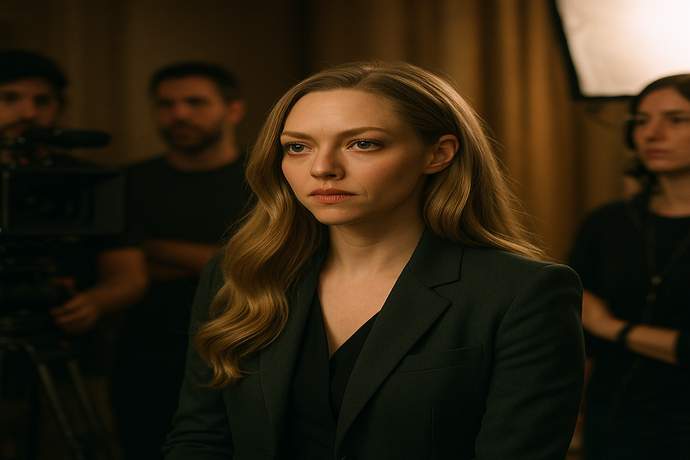
If there’s a bright spot, it’s Seyfried, who treats the role like it matters. She brings weight and intention to fragments that otherwise drift, making you care even when the script doesn’t always earn it.
Direction and the visual vibe
Mona Fastvold knows how to frame a shot — the film consistently looks considered and deliberate. But gorgeous photos can’t fully hide that the film sometimes prioritizes surface style over emotional depth. The visuals announce big ideas that the story never fully backs up.
Why it feels flat
The movie stacks scenes that seem meant to build momentum, but they rarely add up. Tone and pacing wobble, and characters can feel like components instead of people with growing stakes. The result is polished but oddly predictable.
Who might still enjoy it
If you’re into well-crafted mood pieces, pretty cinematography, and a strong lead performance, there’s enjoyment to be had. But if you want a film that surprises, devastates, or lingers in your head, this one may leave you imagining what it could have been.
Final bite
Ann Lee’s Testament looks like a film that has something to say, but it talks in fragments. It’s not disastrous — just safe and occasionally uninspired. Still, Seyfried gives you reason to sit through the whole meal, even if the main course doesn’t quite arrive.