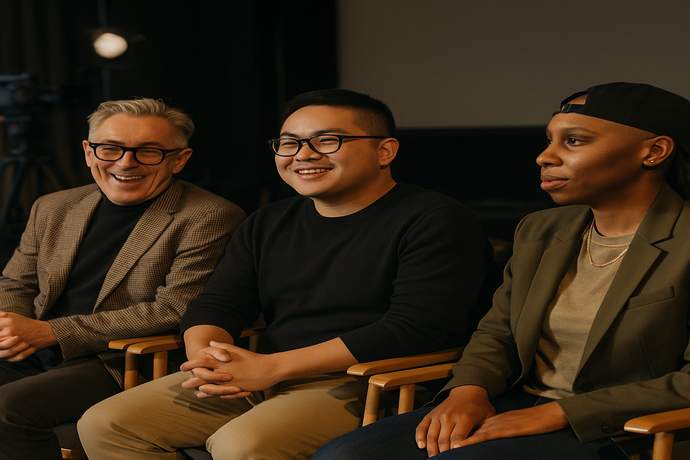
Big names, big mood
Alan Cumming, Bowen Yang and Lena Waithe have quietly (well, not that quietly) started a new nonprofit aimed at giving early-career LGBTQ+ filmmakers real chances to be seen and heard. Think grants, mentorship and a little industry elbow grease — the kind of help that actually gets a project off the ground.
Why this feels urgent
In recent months studios and companies have been scaling back diversity programs, which leaves emerging queer storytellers on shakier ground. The founders argue this isn’t just a scheduling problem — it could mean fewer LGBTQ+ stories reaching screens at all unless someone steps in.
What the foundation will actually do
Each year the group will hand out sizable production grants — enough for a pilot, a short or a proof-of-concept — plus pair recipients with experienced mentors. They’ll also help cover festival entry fees and arrange screenings in hubs like New York and Los Angeles, giving new work places to be discovered.
The talent behind the curtain
Board and advisory members include artists and producers with real track records, and the mentorship roster features creators from stage and screen you’ve probably heard of. That means money isn’t the only thing on offer — new filmmakers will get guidance from people who’ve actually navigated the system.
The cold numbers (and why they matter)
A recent media survey showed that only about one in four major-studio releases last year included an LGBTQ character — a slight dip from the year before — and many of those characters barely registered on screen. Those trends help explain why a private safety net like this foundation could be so useful.
What the founders are saying (in plain terms)
The organizers are blunt: this initiative is a response to political and industry pressure that risks erasing queer voices from mainstream film and TV. Their message is simple — don’t wait for permission, build the opportunities. And if Hollywood won’t hand them out, a group of creators will.
Why viewers should care
Good representation doesn’t just check a box — it builds new kinds of stories, careers and audiences. If even a few pilots or shorts from fresh queer filmmakers find traction, the ripple effect could mean more authentic, varied stories on screen — and that’s something everyone benefits from, whether you’re in the industry or just love a great show.