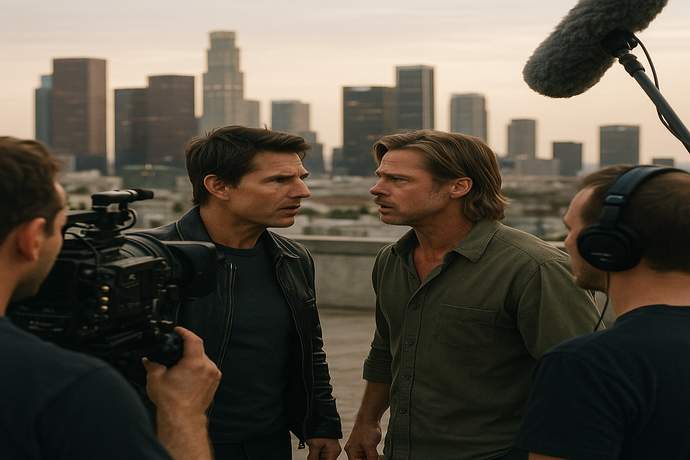
The little clip that started a giant panic
A 15-second AI-made video showing Tom Cruise and Brad Pitt throwing down on a rooftop has the internet—and Hollywood insiders—doing double takes. The short was posted by filmmaker Ruairi Robinson and, according to him, was cooked up with a two-line prompt using Seedance 2.0, the new model from ByteDance.
Why one writer sounded the alarm
Screenwriter Rhett Reese saw the clip and basically hit the panic button. He warned that tools like this could let a single person create film-level visuals and storytelling that look just like studio work. That’s exciting in theory, but he’s most worried about the human cost: careers, livelihoods, and the whole way movies get made could be turned upside down.
Studios and trade groups are not thrilled
The Motion Picture Association publicly slammed the company behind the model, accusing the service of sweeping up copyrighted material without safeguards. In short: industry leaders say this tech is running wild and tramples the rights of creators who actually make the original work.
Not everyone thinks the demo is flawless — but it’s improving fast
Some viewers shrugged that the clip still looks rough, and sure, current AI outputs can stumble. Reese’s worry is that the tech won’t stay rough for long. One talented creator using these tools could produce something jaw-dropping, and that shifts the balance between big budgets and lone creators overnight.
A broader tech tremor — jobs, gatekeeping and a weird irony
Tech folks have been sounding the alert, comparing this moment to the sudden shift we felt before the pandemic. The idea: AI is moving from being a sidekick to being the star player in many fields—law, medicine, writing, finance, design—and people are terrified about what that means for employment.
There’s another angle: these tools can smash old gatekeepers. A kid with no studio backing might now make something that actually competes with tentpoles. That democratization is thrilling — until you remember it could also destroy whole swaths of existing careers.
The takeaway: buckle up, bring popcorn
So where does this leave us? Expect a messy, exciting, frightening transition. We’ll probably get amazing new art, copyright battles, and lots of displaced workers all at once. If you like chaos with a side of spectacle, Hollywood is about to serve it up — and we’ll all be watching to see whether the industry adapts, fights back, or gets rewritten by code.